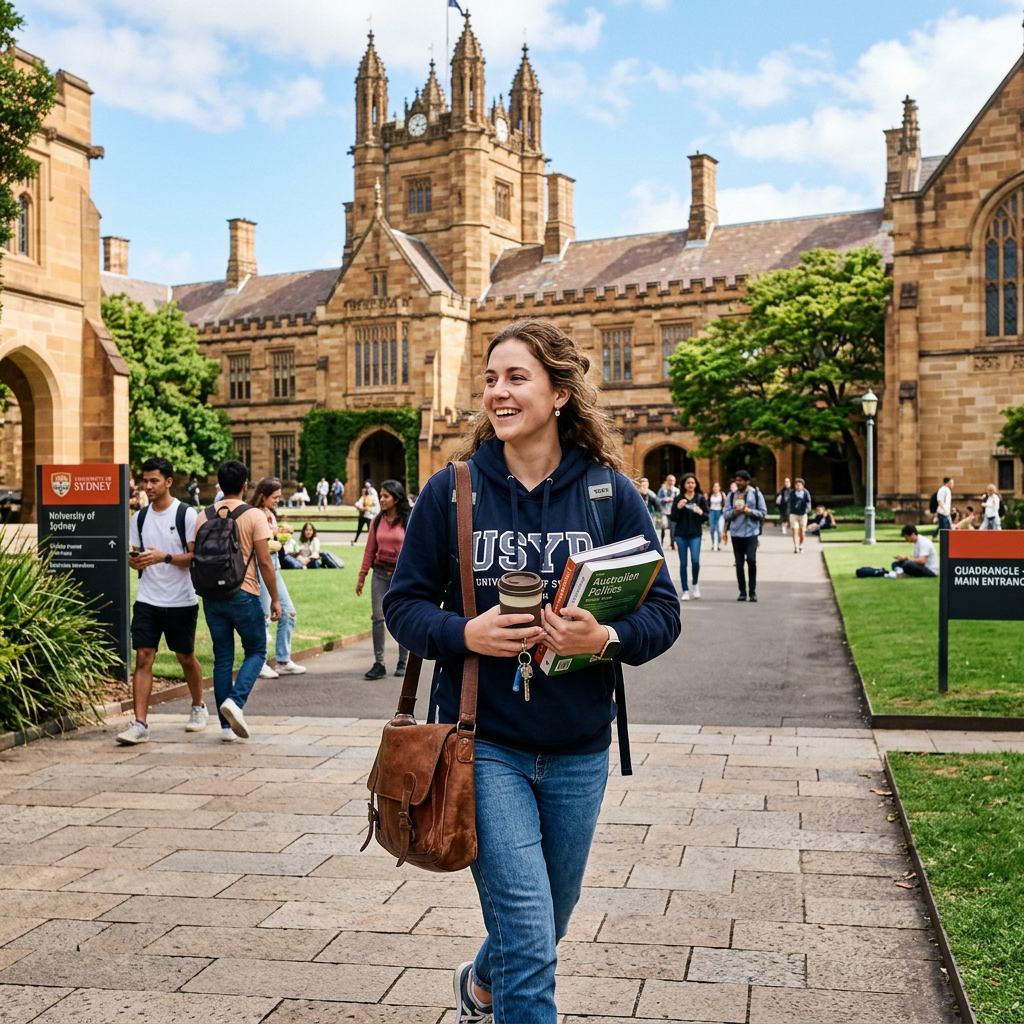
Planning to study in Australia in 2026 is exciting, but understanding the student visa process can feel overwhelming. This guide from Skill Pointers explains the key visa options, general eligibility requirements, step-by-step application process, documents you will usually need, and practical tips to help you prepare with confidence.
Important: Australian visa rules change frequently. The information below is general in nature and may not reflect the latest updates. Before you apply, always check the official Australian Department of Home Affairs website and, where appropriate, seek advice from a qualified professional.
1. Main Visa Options for International Students
Australia offers several visa options that allow international students to study, and in some cases stay temporarily after graduation. Names and subclass numbers can change over time, so treat the examples below as a guide only and always confirm the current options on the official government website.
- Student visa (for full-time study): Commonly known as the main student visa (for example, in recent years this has included the Subclass 500). It usually allows you to enrol in a registered full-time course at an Australian education provider.
- Student guardian visa: For eligible guardians of under-18 international students. This visa type lets a parent or legal guardian stay in Australia to provide care and support.
- Temporary graduate visa (post-study work): For eligible international graduates who have completed certain Australian qualifications and wish to stay temporarily to gain work experience. The name, length, and conditions of this visa stream are subject to frequent change.
There may be other visa pathways depending on your age, course type, and long-term plans. Always check which visa is right for you before applying.
2. General Eligibility Requirements for a Student Visa
Exact eligibility criteria depend on the visa you apply for, your nationality, and your course. However, most international students will need to satisfy the following general requirements.
2.1 Offer Letter and Confirmation of Enrolment (CoE)
- A valid offer to study full-time at an Australian institution registered on the Commonwealth Register of Institutions and Courses for Overseas Students (CRICOS).
- A Confirmation of Enrolment (CoE) for each course you plan to study, issued after you accept your offer and meet any conditions set by the provider.
2.2 Genuine Student (GS) / Genuine Temporary Entrant (GTE) Intent
Australia assesses whether you are a genuine student with a genuine intention to study. The specific name and criteria of this requirement have changed over time (for example, the Genuine Temporary Entrant or GTE requirement), and may continue to evolve in 2026.
- Be able to clearly explain why you chose your course and institution.
- Show that your study makes sense in the context of your academic and career history.
- Demonstrate strong ties to your home country or realistic, lawful future plans.
- Provide honest and consistent information in your application and supporting documents.
2.3 English Language Proficiency
Most students must demonstrate an acceptable level of English through a recognised test (for example, IELTS, TOEFL, PTE Academic, OET, or Cambridge English). The minimum scores and acceptable test types depend on your:
- Visa type and current policy settings.
- Education provider and course requirements.
- Country of passport and study history.
Check both your institution’s requirements and the Department of Home Affairs website, as they may not always be the same.
2.4 Financial Capacity
You must usually show that you (or your sponsor) can cover tuition fees, living costs, travel, and other expenses for your stay in Australia. Evidence may include:
- Bank statements or savings account passbooks.
- Proof of income (salary slips, employment letters, tax returns).
- Education loans and loan approval letters.
- Sponsorship letters and supporting financial documents from sponsors.
The specific amount required and acceptable forms of evidence are updated regularly. Always follow the latest official financial capacity guidelines when you apply.
2.5 Overseas Student Health Cover (OSHC)
Most international students must hold Overseas Student Health Cover (OSHC) for the full duration of their stay on a student visa. You usually need to arrange OSHC before your visa is granted and provide details in your application.
2.6 Health and Character Requirements
- Health checks: You may need to complete a medical examination, chest X-ray, or other tests with an approved panel physician.
- Character checks: You may be asked to provide police clearance certificates and answer questions about your background.
These checks help the Australian Government ensure that visa holders do not pose unacceptable health or security risks.
3. Step-by-Step Australian Student Visa Application Process
The application process is mostly online, but the exact steps may vary depending on your country, education provider, and personal circumstances. Below is a typical sequence for many 2026 applicants.
4. Typical Documents Required
The documents you need can vary, but many student visa applications include the following:
- Valid passport (and copies of previous passports, if relevant).
- Recent passport-sized photographs meeting Australian specifications.
- Confirmation of Enrolment (CoE) for each course.
- Offer letter and any scholarship letters.
- Academic transcripts, certificates, and translations (if not in English).
- Recognised English test results (if required).
- Evidence of financial capacity: bank statements, income proof, loan letters, or sponsorship documents.
- OSHC policy certificate or evidence of health insurance arrangements.
- Statement of purpose or Genuine Student / GTE statement, if applicable.
- Curriculum vitae (CV) or résumé for certain courses.
- Police clearance certificates (as requested).
- Medical examination results or health assessment reference numbers (as requested).
- Copies of previous visas and immigration documents, if any.
Always use the latest checklist provided by the Department of Home Affairs and your education provider, as document requirements can change.
5. Expected Timelines for 2026 Applicants
Processing times for Australian student visas vary based on your location, sector of study, time of year, and the completeness of your application. The government regularly updates estimated processing times on its website.
- Some applications may be processed in a few weeks.
- Others can take several months, especially during peak intake periods or if additional checks are needed.
- Post-study or other related visas may have different timelines.
To reduce delays, lodge a complete application well before your course start date and respond quickly to any requests for further information.
6. Common Mistakes and How to Avoid Them
- Submitting incomplete documents: Missing financial evidence, unclear scans, or gaps in your academic history can cause refusals or long delays. Use a checklist and have a second person review your file before submission.
- Inconsistent information: Differences between your visa form, CoE, and supporting documents (for example, dates or course names) can raise concerns. Make sure everything matches.
- Weak or unclear Genuine Student / GTE statement: A short, generic statement may not adequately explain your plans. Take time to write a detailed, honest explanation of your goals and circumstances.
- Underestimating financial requirements: Providing just enough funds or relying on last-minute deposits can appear risky. Show stable, genuine financial capacity wherever possible.
- Applying too late: Leaving your visa application until just before your course starts can put your travel and enrolment at risk. Start early and follow the recommended timelines.
- Ignoring visa conditions: Not understanding your work limits, attendance requirements, or course progress rules can lead to visa breaches. Read your visa grant letter carefully.
7. Practical Tips for Australian Student Visa Applications in 2026
7.1 Start Early and Plan Backwards from Your Intake
- Begin researching courses 12–18 months before your preferred intake.
- Apply to institutions at least 6–9 months before the start date, where possible.
- Allow generous time for English tests, document collection, and visa processing.
7.2 Monitor Official Immigration Updates
- Regularly check the Department of Home Affairs website for changes to visa subclasses, financial requirements, English scores, and work conditions.
- Sign up for updates from your education provider and trusted education consultants.
- Do not rely only on social media or outdated advice from friends.
7.3 Work with Qualified Education Consultants
The Australian visa system can be complex, especially when policy changes are frequent. A reputable education consultancy such as Skill Pointers can help you:
- Choose suitable courses and institutions based on your profile.
- Understand the latest visa eligibility criteria and documentation standards.
- Prepare stronger statements for Genuine Student / GTE requirements.
- Avoid common errors in your application and meet important deadlines.
7.4 Understand the Impact of Policy Changes
In recent years, Australia has adjusted student and graduate visa settings in response to labour market needs, migration levels, and global events. Similar changes may continue into 2026 and beyond.
- Keep track of any announcements affecting work rights during and after study.
- Be aware that visa subclasses, names, and conditions can be introduced, removed, or updated.
- Plan for several scenarios rather than relying on one specific post-study pathway.
7.5 Keep Copies and Stay Organised
- Maintain digital and physical copies of all documents you submit.
- Use a simple checklist or spreadsheet to track what you have completed.
- Store your ImmiAccount login details safely and check your email regularly.
8. Always Rely on Official, Up-to-Date Information
Because Australian migration policies are reviewed frequently, information that was correct one year can be outdated the next. Blog posts and guides like this are helpful for orientation, but they are not a substitute for official sources or personalised advice.
Before you apply for any visa, go to the official Australian Department of Home Affairs website and confirm the current requirements, forms, and fees for your situation.
Conclusion: Plan Confidently for Your Australian Study Journey
Studying in Australia in 2026 can open powerful academic, professional, and personal opportunities. By understanding the main visa options, meeting eligibility criteria, preparing documents carefully, and staying informed about policy changes, you can give yourself the best chance of a smooth visa process.
If you are planning to study in Australia and would like personalised guidance on choosing courses and preparing your visa application, Skill Pointers is here to help. Contact our team today to discuss your study goals and receive tailored support at every step of your journey.
 Skill Pointers
Leave a comment